The Farm14 National Enduro was American National Enduro Championship’s (ANEC) first attempt at its version of a two‑day enduro format. Classes were split between Saturday and Sunday, A racers got extra tests, and the whole thing took place on Kevin Windham’s Farm14 Training Facility. Many enduro enthusiasts were skeptical if it would showcase the spirit of enduro, while also challenging every rider who showed up. This Seat Time Podcast Roundtable tries to unpack how the weekend went, and how excited riders are for more two-day enduros under the ANEC banner.
Links to Watch/Listen
A national-worthy weekend, not just another race
When I talked with both Matt Musgrove (USHE) and Steward Baylor Jr (ANEC) about their respective series format changes, the common thread wasn’t “how do we squeeze in more racing,” it was “how do we build a weekend people actually want to be at.” That’s what I saw from afar watching the videos from the Farm14 National Enduro. With classes split across two days and the head-to-head super test brought back, there was room for spectating and hanging out, instead of driving in just in time for the rider’s meeting the day of the race.
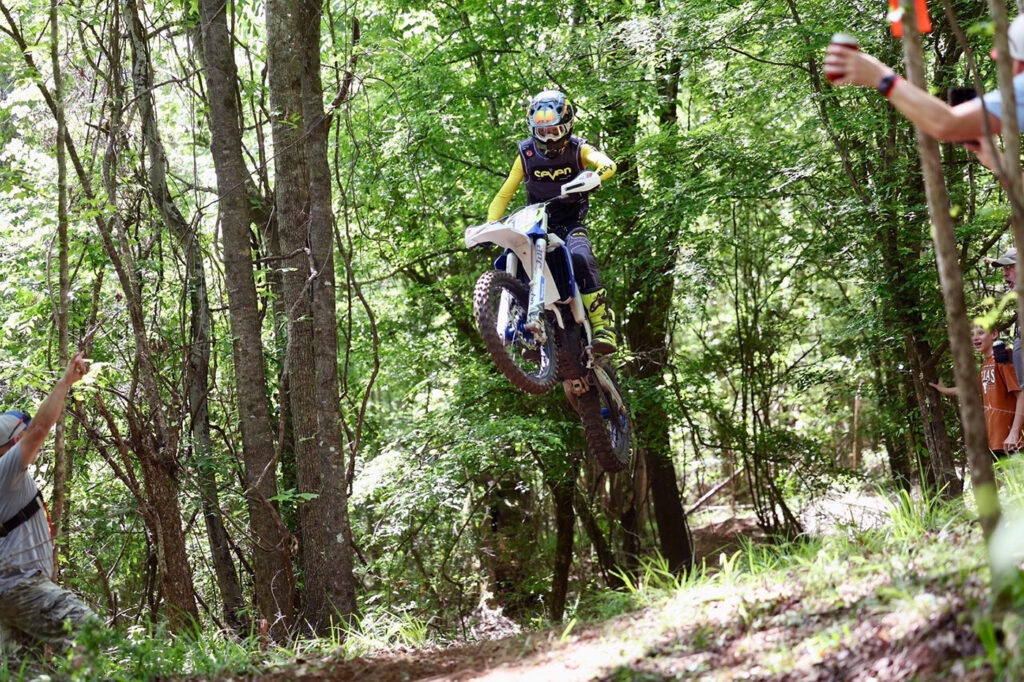
The guys on the podcast roundtable backed that up in their own ways, even if they didn’t all stay for the full weekend experience. Ryan Moss and Liam Capodice liked that they could race Saturday, watch some action like the super test or Stu skimming the pond, and still hit the road early enough to be home Sunday. John Yantek talked about grilling with buddies, helping with pits, and getting to spectate pros and fast amateurs in spots you’d normally never see them. The nice part of the two‑day layout was that it gave riders options: you could make it a long, social weekend, or you could treat it as a more flexible in‑and‑out trip and still feel like you got more out of it than a traditional local enduro.
The biggest drawback to the weekend seemed to come from the pits clearing out come Sunday. The goal was to bring the “Pro pits” back to the races, but if the rigs leave Saturday evening, Sunday begins to feel like a ghost town. If the goal is to have a national-worthy weekend that racers can’t get anywhere else, another go at this format would be to bring the big rigs in on Friday, have Amateurs race Saturday, then have B racers and up race Sunday. Yes, you’ll loose some spectators to Sunday, but those that choose to stay can begin to see and feel the growth of what ANEC is trying to build.
Less traffic, more racing
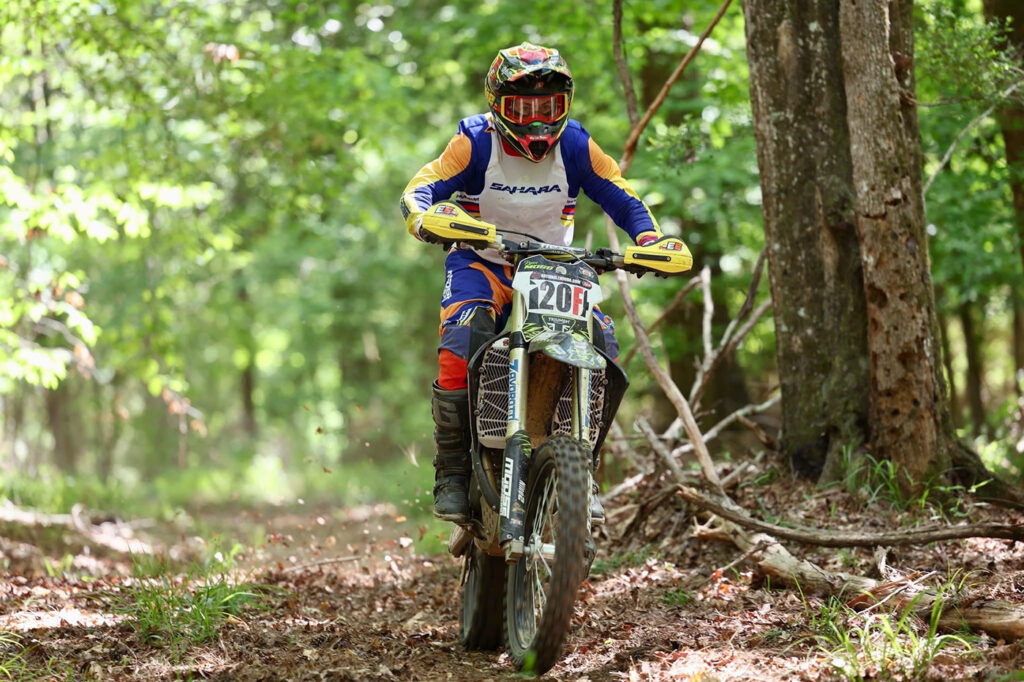
One of the big wins from the weekend was how the two‑day split fixed the passing problem that we’ve all just accepted as part of enduro. Unless you’re winning the entire event, there’s a 90% chance you’re going to get passed by a faster rider. The etiquette is to get out of the way as quick as possible, but some take their time because they’re scared, they’re tired, or they’re ignorant (yeah, I said it). With classes broken up between Saturday and Sunday, Ryan and Liam both talked about how much less traffic they dealt with and how different it felt to race every section, not navigate slower riders you catch from earlier rows.
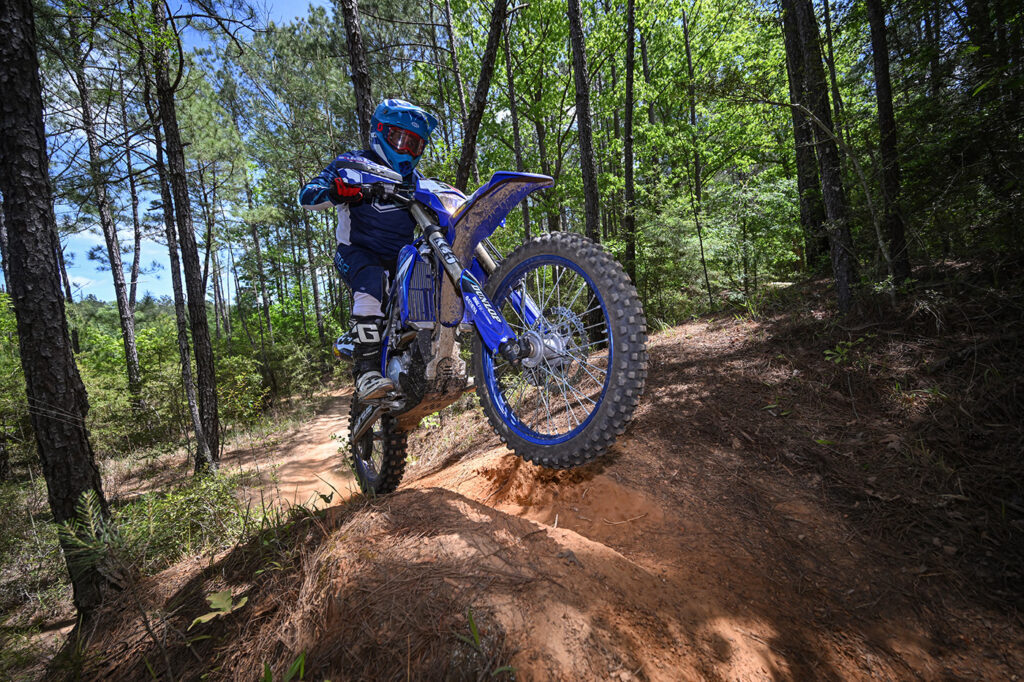
The other cool part was hearing that Farm14 delivered old‑school, bar‑banging woods and tight trees that rewarded bike handling over raw speed. Tighter, more technical trails keep the speeds down and ask more skill of the racers; this shouldn’t be ignored. If all amateurs were mixed in with the pros in these tighter sections, more shenanigans with passing can occur. Even John, who’s strategic about which row he signs up for to dodge traffic, mentioned how good the conditions were for where he started. If ANEC can keep the entry numbers healthy and the class split smart, the two-day format gives us more of what we show up for: technical singletrack, less guessing about where to pass, and more time looking way past the front of our fender.
Change and growth is hard
The comments on this video, and the interview with Stew last year, weren’t all positive. You can tell many riders and racers don’t want change. They like the status quo of the enduro they know, and if someone tries to change it, they immediately push back. That’s pretty normal human behavior, especially if you’re only chasing comfort. But I don’t ride dirt bikes or race enduros to chase comfort. I ride and race dirt bikes to push myself past what makes me comfortable.
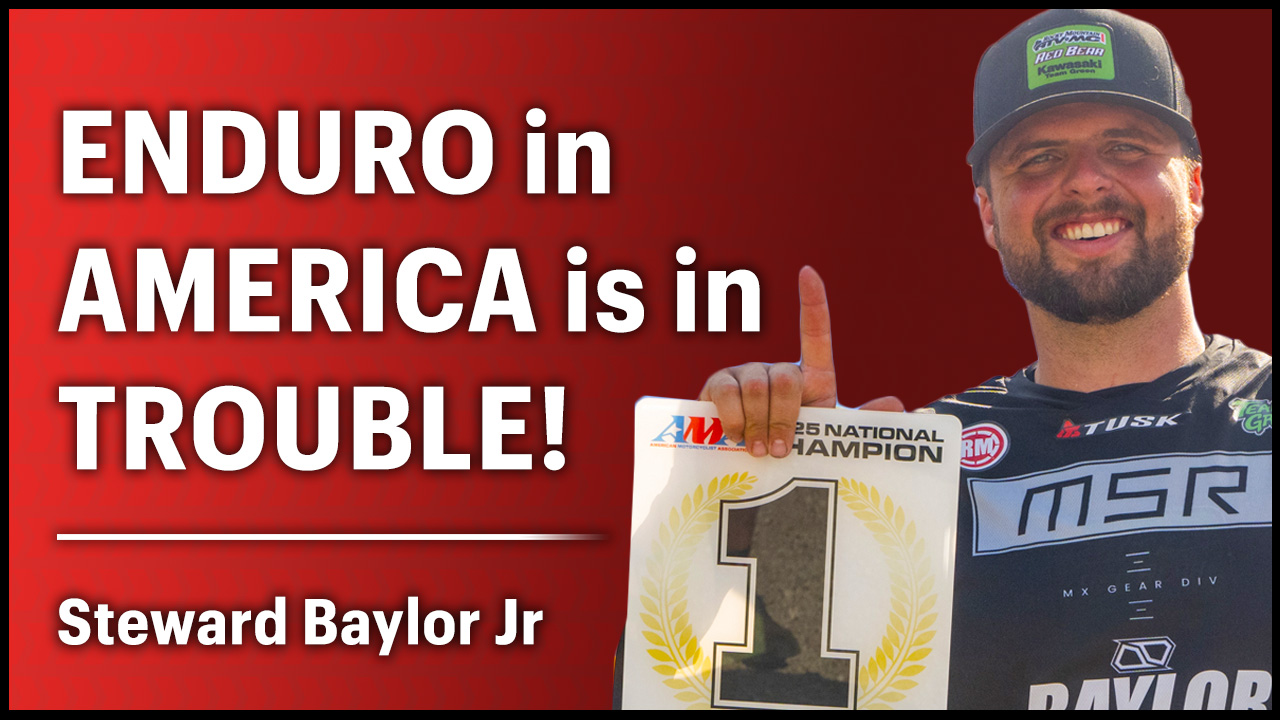
So I challenge all the negative commenters to show up to a National Enduro this year put on by ANEC. I ask you to stop holding this sport, and yourself, back by death‑gripping this idea of a sport you didn’t create. I’ve had to reflect on my thoughts on what an enduro is, and was, after years of riding with my dad and now my son. At its core, an enduro is a day in the woods with your buddies on dirt bikes. A National Enduro is the next step beyond that. I at one point wanted them to be organized trail rides, but they can’t be that at the professional level. If we want to see racers supporting themselves with a salary in a professional sport, we have to give that avenue the ability to grow. We have to see if there is a way for riders to ride and racers to race on the same weekend. That’s what Steward Baylor Jr is trying to do with the American National Enduro Championship: support a community of riders while growing a sport of professionals. Yes, it’s harder than it sounds. Give him your support, not only your opinions.
0 Comments
Leave A Comment