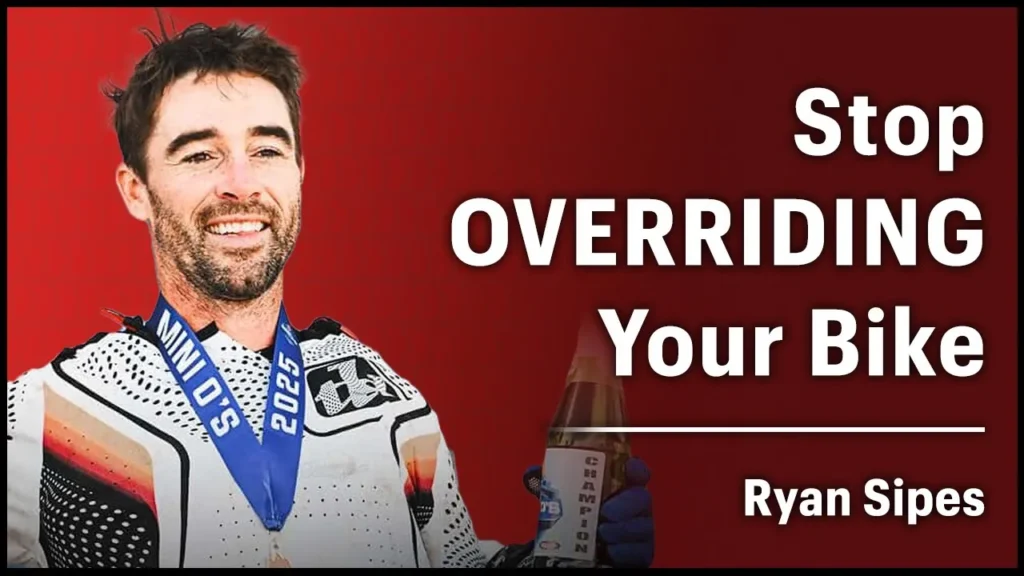
There’s a line Ryan Sipes dropped on Seat Time a couple years ago that I haven’t been able to shake:
You can’t make it happen. You have to let it happen.
I knew it meant more than I understood at the time, so I’ve been testing it ever since through a full year of racing National Enduros and working with riders on their own race days. I’ve had moments where I finally “got” what letting it happen feels like and plenty of others that showed I still had more to learn.
That’s why Ryan Sipes is the first guest to kick off the Seat Time podcast in 2026 and why this new series is called The Mindset of the Racer. Episode 1 is Ryan unpacking that simple line in a way only someone who’s won Supercross, ISDE and a stack of other races can, and the conversation surfaces three themes worth digging into whether you’re chasing pro results or just trying to enjoy your Sundays on a dirt bike.
You can listen while you read:
1. Let it happen, don’t make it happen
Ryan opens with a simple moto analogy: you roll up to a hard‑slick track you’re not comfortable on, decide you’re going to “make it happen,” and promptly end up on your head. The result sheet says “17th,” but the real story is “rode angry, over‑tried, paid the price.”
He contrasts that with the day where you accept, “This isn’t my best surface, but I can still ride well,” back it off a notch, watch what faster riders are doing, and come away with a second, third, or fourth instead of a DNF. Same rider, same bike, completely different relationship with the track.
The shift he’s pointing at looks like this:
- From “I will win today” → “I’m going to ride to the level I actually have today.”
- From forcing a lap time → responding to what the track, traction, and body are actually giving you.
Letting it happen doesn’t mean coasting or sandbagging; it means dropping the delusion that you can override reality with effort alone. Once that expectation loosens its grip, you can actually see lines, feel traction, and string laps together instead of riding like a clenched fist.
2. Instead of getting angry, get curious
One of Ryan’s favorite lines from a book he read is: “Instead of getting angry, get curious.” The target for that line is the exact moment in a race or practice when the story in your head says, “I should be winning,” but the results say otherwise.
When we stay in anger, he says, we usually do one of two things:
- Shut down and ride worse.
- Or ride over our head, hold it wide open, and crash our brains out.
Curiosity opens a different door. “Why am I getting beat here? Are they using more outside lines? Do I need to brake earlier and carry more momentum? Look further ahead?” Those questions sound simple, but mid‑race they’re a completely different mental posture than “I suck” or “this is stupid.”
The same thing applies after the race:
- Angry version: replay every mistake, call yourself an idiot, and write the whole day off.
- Curious version: on the drive home and the next morning, you keep asking, “Where did I get beat? What exactly was happening on laps one to three? What can I go work on this week?”
That last question is where intentional practice starts.
3. Self‑talk, flow state, and Moto Intelligence
Ryan is blunt about self‑talk: “You can tell yourself good things, you can tell yourself bad things.” After a crash or a pass, most riders default to, “You idiot, you suck, you’ll never beat that guy.” The problem is you can’t just tell yourself, “Don’t think that,” because the first thing your brain does is…think exactly that.
His solution is deceptively simple: replace bad thoughts with good ones.
- Instead of “I’ll never win,” it becomes, “I’ve got to be better in that section next time.”
- Instead of “I’ll never figure this out,” it becomes, “I’m going to get there. I will figure this out.”
That same pattern shows up in how he chases flow state. You can’t make flow happen, but you can “stack the deck in your favor”: do the work during the week, then use breath work pre‑race to flood your brain with oxygen so you roll to the line focused instead of spun out. When that clicks, he says, it feels like autopilot, lines link up, the race feels easy, and sketchy moments barely register because you’ve already moved on.
All of this feeds into what he’s building with Moto Intelligence Training:
- Winter bootcamps in Florida.
- Off‑road schools where moto riders learn traction, weighting and unweighting, balance, and vision.
- A growing library of instructional videos and programs that blend technique, training, and mindset.
It’s the same theme, just applied at scale: less random “go ride,” more intentional reps that connect how you think to how you ride.
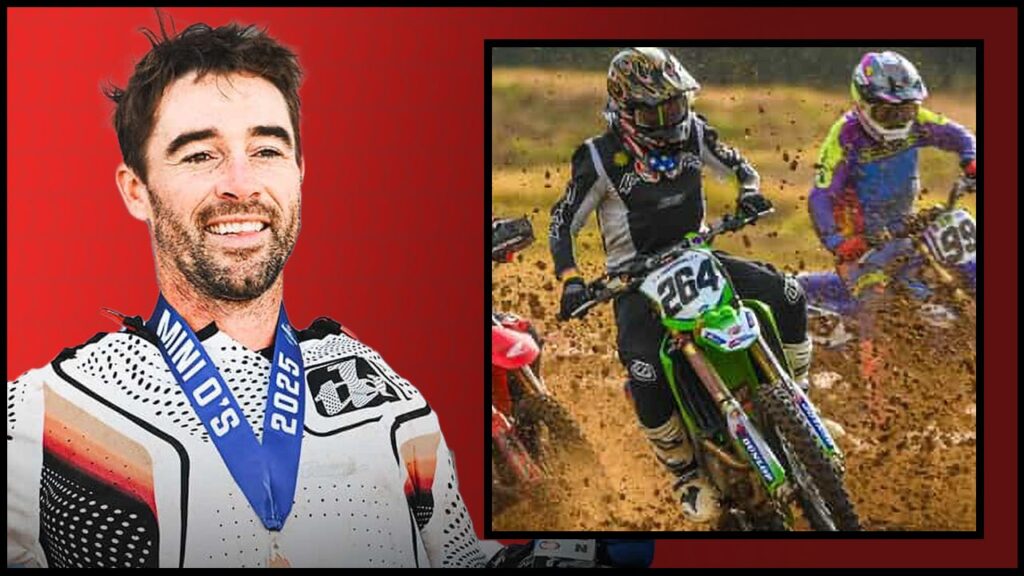
If the episode sparks anything for you, maybe a race you still beat yourself up over or a section of track that always flips your anger switch, hit reply on Substack or drop a comment on YouTube.
In future Mindset of the Racer episodes, the plan is to keep pulling on these threads: curiosity over rage, self‑talk over self‑sabotage, and the kind of preparation that lets the good days “just happen” more often.

0 Comments
Leave A Comment